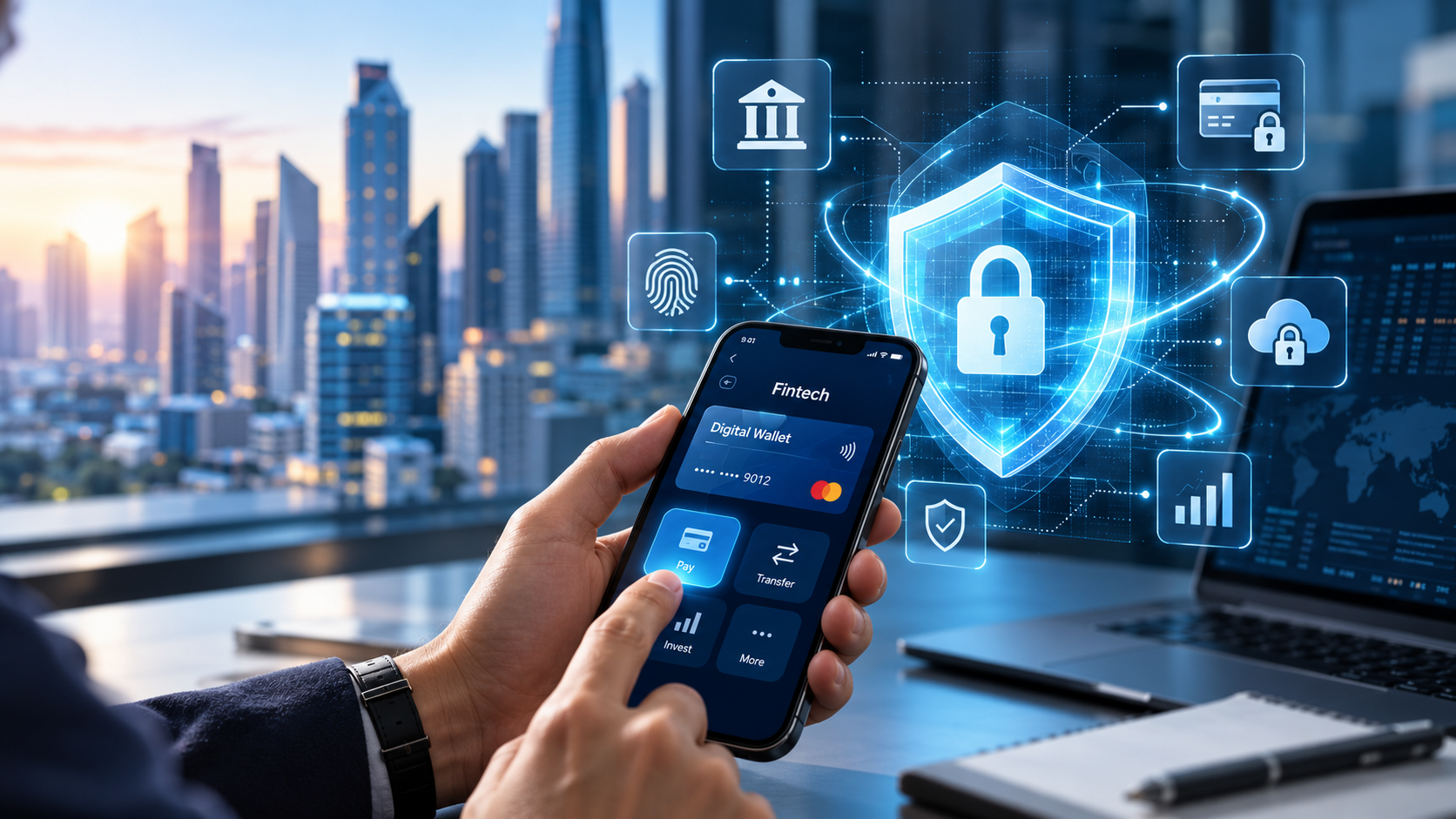
The financial technology (fintech) industry is transforming how businesses and consumers manage money. From digital banking and online payments to mobile wallets and automated financial services, fintech solutions offer greater convenience, efficiency, and accessibility. However, as digital financial services continue to grow, fintech cybersecurity has become essential for protecting sensitive data, preventing fraud, and maintaining customer trust.
Why Is Cybersecurity Important in Fintech?
Fintech platforms process sensitive information, including personal details, banking credentials, and financial transactions. Without proper security measures, these systems can become targets for cyberattacks, data breaches, phishing, ransomware, and unauthorized access.
A successful cyberattack can result in financial losses, operational disruptions, regulatory consequences, and reputational damage. For fintech businesses, cybersecurity is not simply a technical requirement, it is a fundamental part of building reliable and sustainable digital financial services.
Essential Cybersecurity Practices for Fintech Businesses
Implementing effective security measures can help fintech companies minimize risks and protect their digital infrastructure.
1. Data Encryption and Protection
Encryption helps safeguard sensitive financial information during transmission and storage. Businesses should also implement secure data management practices, restrict access to confidential information, and minimize unnecessary data collection.
2. Multi-Factor Authentication
Multi-factor authentication (MFA) adds an additional layer of protection by requiring users to verify their identities through multiple methods. Combined with strong access controls, it helps reduce the risk of unauthorized account access.
3. Secure Software Development
Cybersecurity should be integrated into every stage of fintech software development. Regular vulnerability assessments, penetration testing, secure coding practices, and timely software updates help identify and address weaknesses before they are exploited.
4. Continuous Monitoring and Fraud Detection
Monitoring transactions and system activity can help businesses identify suspicious behavior and respond to potential threats. AI-powered analytics can further support fraud detection by identifying unusual transaction patterns.
Building Secure Fintech Solutions With Ocunapse
As financial technology evolves, businesses need digital solutions that balance innovation, scalability, and security. Integrating cybersecurity into software architecture and development processes helps organizations build more resilient applications and deliver dependable customer experiences.
At Ocunapse, we support businesses in developing tailored digital solutions that align with their technology and operational objectives. By prioritizing secure development practices and thoughtful system integration, businesses can strengthen their digital foundations and prepare for future growth.
Conclusion
Fintech cybersecurity is critical to protecting financial data, preventing cyber threats, and building lasting customer confidence. Through proactive security measures and secure software development, fintech businesses can embrace digital innovation while managing emerging risks.